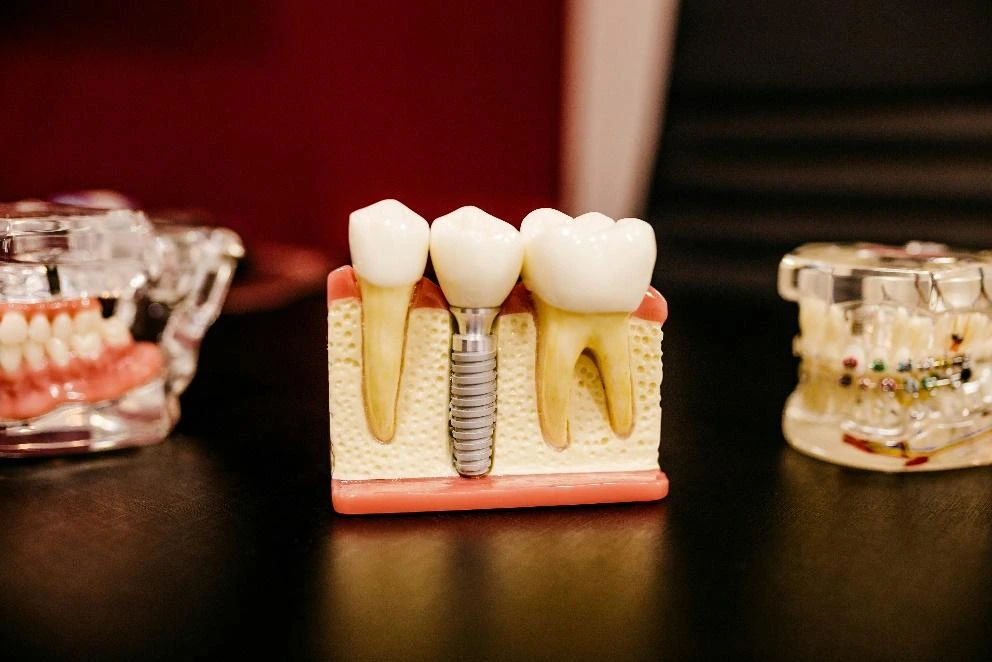
Maintaining a healthy smile is more than just a matter of aesthetics; it’s essential for overall oral health. However, over time, teeth may sustain damage or wear, leading to the need for restorative solutions like dental implants or crowns. These treatments are designed to restore functionality and appearance, but how can you tell if you might need one? Here are the key signs that it’s time to consult your dentist about a dental implant or crown.
1. Severe Tooth Decay
Tooth decay that extends beyond the enamel and into the deeper layers of a tooth often requires more than a filling to fix. A dental crown is typically recommended when a large portion of the tooth is damaged, as it covers and protects the remaining structure. If decay has reached the tooth’s root and the tooth cannot be saved, a dental implant may be the better option.
2. Cracked or Broken Teeth
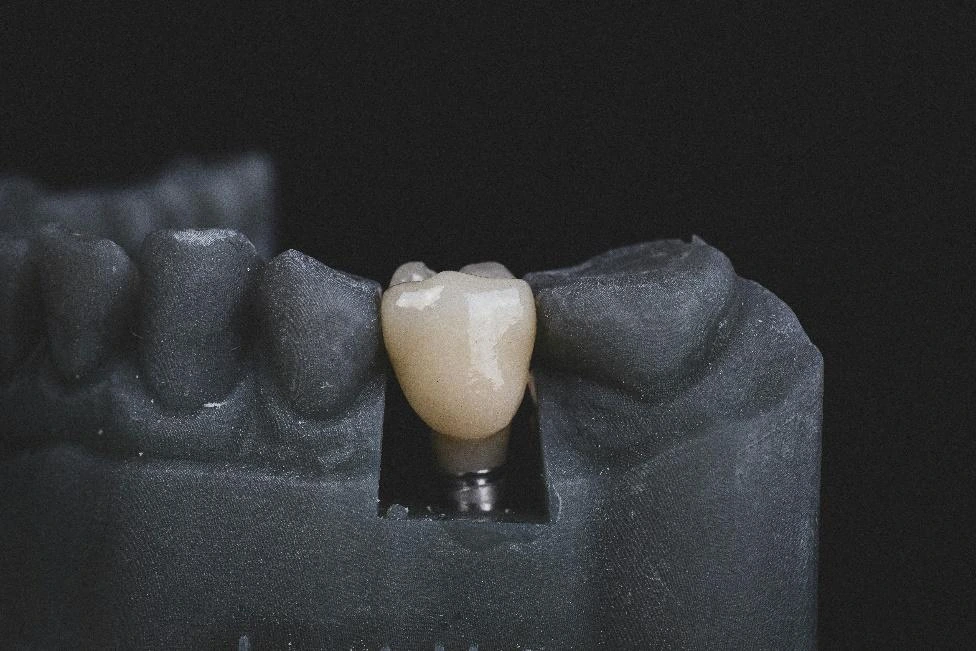
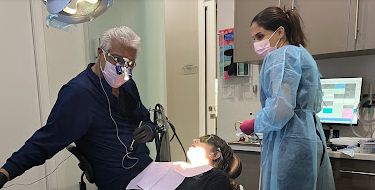
Teeth can crack or break due to trauma, biting down on hard foods, or wear from grinding. Minor cracks might be repaired with bonding or a filling, but more significant damage often requires a crown to restore strength and functionality. If the tooth is too damaged to be salvaged, it may need to be extracted and replaced with an implant.
3. Missing Teeth
If you have lost one or more teeth due to injury, decay, or gum disease, a dental implant is one of the most effective solutions. Implants replace the tooth root and provide a sturdy foundation for a crown, creating a natural look and feel. Unlike dentures, implants are permanent and help preserve jawbone density.
4. Persistent Tooth Pain
Tooth pain can be a sign of extensive decay, infection, or structural damage. If a root canal cannot save the tooth, your dentist may recommend extracting it and replacing it with an implant. In cases where the pain is caused by structural damage, a crown may be enough to alleviate discomfort and protect the tooth.
5. Loose or Weak Teeth
Weak or loose teeth can result from advanced periodontal (gum) disease or bone loss in the jaw. If a tooth cannot be stabilized or saved, an implant may be necessary to replace it. Dental implants also prevent further bone loss by stimulating the jawbone.
6. Worn-Down Teeth
Teeth grinding (bruxism) or acid erosion from dietary habits can cause teeth to become worn down over time. This not only affects your smile but also compromises your bite and oral health. Crowns are a great solution for restoring the size, shape, and strength of worn teeth.
Ignoring signs of dental issues can lead to further damage, more invasive procedures, and increased costs. Both dental crowns and implants are effective solutions, but early intervention is crucial. Crowns can save and strengthen a damaged tooth, while implants provide a durable, long-term replacement for missing teeth.
7. Gaps in Your Smile
Missing teeth leave gaps that can cause surrounding teeth to shift, leading to alignment issues and difficulty chewing. Dental implants fill these gaps, preventing further dental complications. Crowns, when paired with implants, provide a natural-looking replacement for missing teeth.
8. Difficulty Chewing or Speaking
If you’re struggling to chew food or pronounce words clearly, damaged or missing teeth could be the culprit. A crown can restore a damaged tooth, while an implant can replace a missing one to improve oral functionality.
9. Discolored or Misshapen Teeth
Sometimes, a tooth may not be damaged but could still appear discolored or misshapen. In such cases, a crown can be used to improve the appearance of your smile while also providing additional strength to the tooth.
10. Infections or Abscesses
Untreated dental infections or abscesses can lead to serious complications. If a tooth is beyond repair, extraction and replacement with a dental implant might be the best option to protect your overall oral health.
Why Acting Quickly Matters
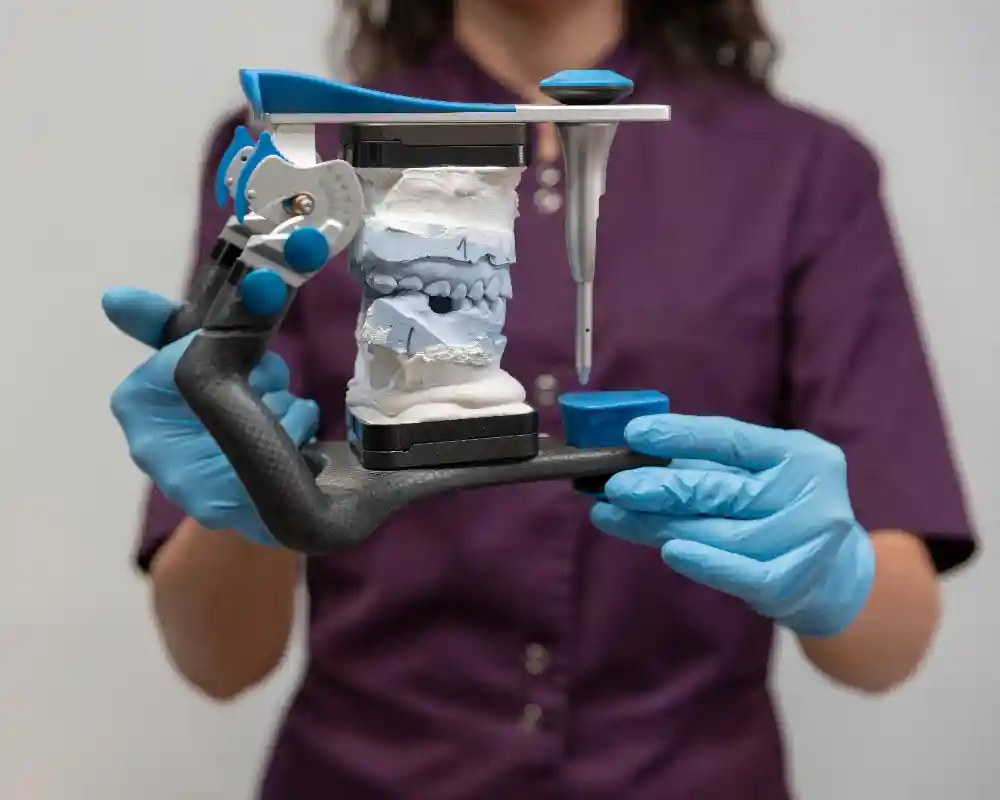
Ignoring signs of dental issues can lead to further damage, more invasive procedures, and increased costs. Both dental crowns and implants are effective solutions, but early intervention is crucial. Crowns can save and strengthen a damaged tooth, while implants provide a durable, long-term replacement for missing teeth.
Consult Your Dentist Today
If you’re experiencing any of these signs, don’t wait. Schedule a consultation with your dentist to discuss whether a dental implant or crown is the right solution for you. With advancements in dental technology, these procedures are now more comfortable and effective than ever.
Restore your smile and confidence today by taking the first step toward optimal oral health – schedule your appointment now!